
-
This guide is for users in France who want a secure and flexible virtual card for online shopping, subscriptions, and international payments, especially on US platforms.
-
The main problem with many French and EU-issued cards is inconsistent acceptance on US websites, frequent declines due to EU BIN restrictions, FX fees, and limits tied to debit or prepaid card structures.
-
The five best virtual cards you can get in France are Halocard, Revolut, N26, Wise, and Monese.
-
Halocard is the best virtual card in France thanks its strong US and global acceptance, privacy and security features, and the ability to use online and in store through contactless payments.
Quick Comparison
| Provider | Card Type (credit / debit / prepaid) | Fees | Funding | Limits | Acceptance | Best For |
|---|---|---|---|---|---|---|
| Halocard | Virtual credit (secured Visa) | Starting from €10.18/month or $12/month (25 cards); 1.5% FX on non-USD; 3.9% top-up via cards/wallets | SEPA bank transfer (free), debit/credit card, Apple Pay, Google Pay | No preset limit; spend only what you load; card-level controls | Very high, especially US and international websites | French users paying US platforms, subscriptions, ecommerce, SaaS, and services that reject EU cards |
| Revolut | Virtual debit | Free (Standard); Plus €3.99, Premium €9.99, Metal €16.99, Ultra €55; FX free up to €1,000/month then 1%; 1% weekend markup | Revolut bank balance | Limited to available balance | Strong in France and EU; inconsistent on US sites | Everyday spending, EU travel, users already banking with Revolut |
| N26 | Virtual debit | Free (Standard); extra cards €2.59; foreign card spend free; ATM fees outside eurozone | N26 bank account | Limited to balance; ATM limits apply | Good in EU; mixed acceptance outside EU | Low-cost euro spending, simple online payments, light travel use |
| Wise | Virtual debit | No monthly fee; €7 physical card; FX ~0.42%+; ATM fees after free allowance | Wise multi-currency account (EUR and others) | Limited to balance; 2 free ATM withdrawals up to €200/month | Strong internationally; mixed on US platforms | Multi-currency spending, travel, low FX costs |
| Monese | Virtual debit | Free virtual card; €0–€14.95/month plans; 2%–3% FX fees | Monese EUR account | Limited to balance; better limits on paid plans | Good in EU; weaker outside EU | Simple EUR spending with SEPA support |
Currency conversion from USD to Euro accurate as of February 19. 2026.
Top 5 Best Virtual Cards (France)
Here are the top 5 virtual cards in France.
1. Halocard
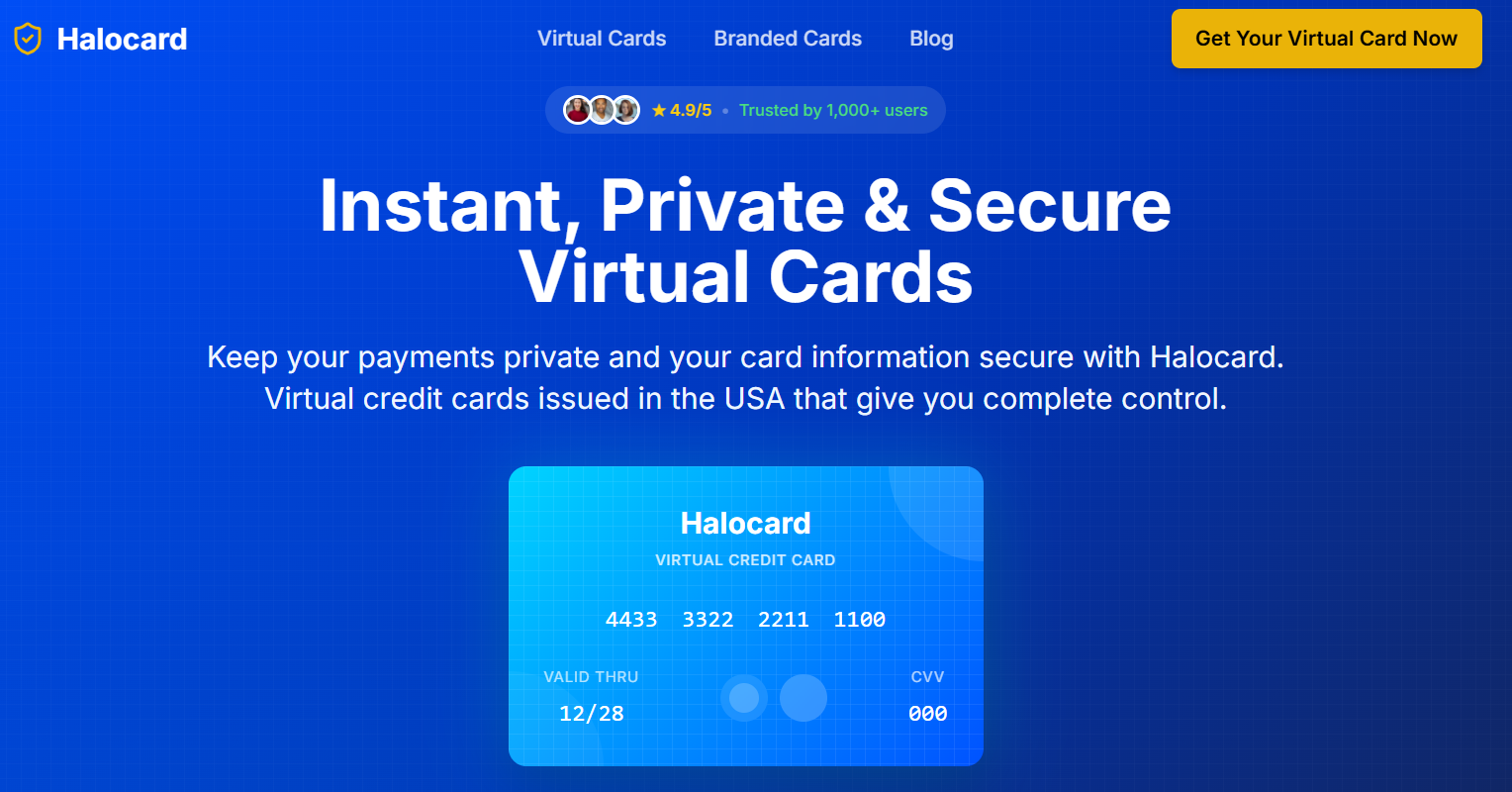
Halocard is a US-issued Visa virtual credit card platform built for making secure and flexible online payments. In France, its main strength is that its cards are consistently accepted on US and international websites that often reject cards issued by French banks or EU providers.
Unlike a traditional bank account, Halocards focus on quick access to virtual cards designed specifically for online payments, subscriptions and digital services.
How It Works
Users in France sign up with a mobile number, quickly go through a verification process and then can generate a virtual card within a minute - no messing about. Once you add funds, the card is good to go for online payments, or use with Apple Pay and Google Pay. There is no actual card to worry about. Your whole account is managed digitally.
Costs & Fees
-
Monthly fee: Starting from €10.18/month or $12/month
-
Creating a card: Included
-
Foreign exchange fee: 1.5% on non-USD transactions
-
Adding funds: 3.9% (cards and wallets), free if you do it via SEPA or bank transfer
Spending Limits & Usage Restrictions
There are no fixed spending limits. You can only spend what you load, with tools that let you cap, pause, or lock cards. Cards are designed for online payments & digital wallets, not getting cash or withdrawals at a branch.
Key Advantages
-
Strong global acceptance with a US-issued Visa card
-
Fast setup that doesn't rely on you needing a French bank account
-
Multiple virtual cards for a bit of extra privacy
-
Trustworthy for subscriptions, ecommerce, and US platforms
-
Apple Pay and Google Pay supported
Specific Drawbacks
-
You will need a monthly subscription
-
FX fees will apply if you're paying in anything other than USD
-
Not the tool for those needing cash or in-branch banking
Who It's Best For
Halocard is best for people in France who regularly pay US merchants or use international digital services - people who've had their cards declined with French- or EU-issued cards in the past. It's a good fit for freelancers, remote workers, ecommerce sellers, and online businesses that value acceptance, privacy, and separation from their main bank account.
Why Someone Would Choose Halocard Over The Others
Halocard is often the best option if you're looking for a way to ensure you get accepted by American platforms. Because they use US-based BINs on the Visa network, their cards are more likely to be accepted by American merchants than cards from French banks.
Compared to debit-based virtual cards from French banks, Halocard offers a whole lot quicker setup and greater control, making it a really practical choice for international online spending.
2. Revolut Virtual Card
The Revolut virtual card links directly to a Revolut banking account and it's built for online spending, subscriptions, and contactless payments. In France, it does the job for everyday EU payments and local merchants - it's part of Revolut's broader digital bank platform rather than just a standalone virtual card thing.
How It Works
Users in France sign up for a Revolut account, get through the identity verification process, and you've got a virtual card instantly in the app. The card pulls funds from your Revolut balance and you can use Apple Pay and Google Pay for in-store payments.
Costs and Fees
-
Standard plan: Free
-
Paid plans: Plus €3.99, Premium €9.99, Metal €16.99, Ultra €55 per month
-
Virtual cards: Free on all plans
-
FX: Free up to €1,000/month on Standard, then 1% fair usage fee; 1% weekend markup
Spending Limits and Usage Restrictions
Spending is capped at your current Revolut balance. Acceptance can be a bit hit-and-miss on US websites and non-EU platforms.
Key Advantages
-
Free virtual cards on the Standard plan
-
Instant access through the Revolut app
-
Apple Pay and Google Pay support
-
Really solid tools for managing everyday spending
-
Reliable right across France and the EU
Specific Drawbacks
-
Debit-only - it's not a credit product
-
FX fees kick in after limits or on weekends
-
Not as consistently accepted by US merchants compared to US-issued cards
-
Completely tied to a Revolut bank account
Who It's Best For
Revolut is a good fit for users in France who want free virtual debit cards that slot right into a full digital banking app. It suits everyday spending, EU travel, and folks already managing their money through Revolut.
Why Someone Would Choose Revolut Over the Others
Revolut appeals to users who want a free, regulated EU banking app with built-in virtual cards and solid budgeting tools. However, if you're prioritising US merchant acceptance or want something separate from your main bank account, standalone virtual card providers might be a better shout.
3. N26 Virtual Card
The N26 virtual card is linked to an N26 bank account and is built for everyday online spending, subscriptions, and contactless payments. In France, it works well for euro payments and travel use, with card payments abroad generally free, using Mastercard exchange rates.
How It Works
Open an N26 account, complete ID verification, and access your virtual card in the N26 app. Your virtual card details can be used for online purchases and added to mobile wallets for in-store payment.
Costs and Fees
-
Standard account: €0/month, first virtual card free
-
Extra virtual cards: €2.59 each (up to 6 total)
-
Card payments abroad: Free (Mastercard exchange rate applies)
-
ATM withdrawals: 3 free/month in the eurozone, then €2; outside the eurozone, 1.7%
Spending Limits and Usage Restrictions
Spending depends on your available balance and N26 limits. Cash withdrawals are possible, but fees apply outside the eurozone.
Key Advantages
-
Free first virtual card on the Standard plan
-
Strong security features through the app
-
Good for travel spending and international card payments
-
Clear, transparent fees compared to many banks
Specific Drawbacks
-
Extra virtual cards cost €2.59 each
-
ATM limits and fees can add up
-
Exchange rate spreads may apply through Mastercard
Who It’s Best For
N26 is best for users in France who want a low-cost virtual debit card for everyday online spending in euros, plus simple travel-friendly payments without needing a traditional branch bank.
Why Someone Would Choose N26 Over the Others
N26 is a strong pick if you want a free plan with a virtual card and generally free card payments abroad, plus easy budgeting and controls in one app. If you need maximum US website acceptance, a US-issued Visa provider may still be more reliable.
4. Wise Virtual Card
The Wise virtual card links to a Wise multi-currency account and is built for low-cost online spending, travel, and international payments. In France, it's a good choice for euro spending and foreign currency purchases thanks to upfront pricing and real exchange rates.
How It Works
Users in France can open a Wise account and get a virtual card instantly without paying. The digital card can be added to Apple Pay or Google Pay straight away. A physical card is optional and costs a one-time €7 delivery fee if you want one. When you spend, funds come directly from your Wise balance.
Costs & Fees
-
Virtual card: Free and instant
-
Physical card: €7 one-time delivery fee
-
Spending in EUR (or held currency): Free
-
Currency conversion: Mid-market rate + small fee (usually under 1%)
-
ATM withdrawals: 2 free withdrawals up to €200/month, then €0.50 + 1.75%
Spending Limits and Usage Restrictions
Your spending depends on what you've got in your available balance. Extra ATM withdrawals and currency conversions will add small fees.
Key Advantages
-
No monthly or annual fees to worry about
-
Real exchange rates with low conversion costs
-
Excellent for multi-currency spending if you're always jumping between currencies
-
Instant virtual card with mobile wallet support
Specific Drawbacks
-
Physical card will cost you €7
-
ATM fees kick in after you use up your free limits
-
Debit-only, not a credit product
Who It's Best For
Wise is ideal for users in France who spend in multiple currencies, travel often, or want low-cost international payments without dealing with a traditional bank's headaches.
Why Someone Would Choose Wise Over the Others
Wise stands out because of transparent fees and real exchange rates. It's a strong choice for international spending, though you might find acceptance on some US websites is less consistent than what you'd get with US-issued Visa cards.
5. Monese Virtual Card
The Monese virtual card is tied to a Monese EUR account and is designed for everyday online payments, subscriptions, and mobile wallet use in France. It works as part of Monese's broader banking app rather than as a standalone virtual card service.
How It Works
French users can sign up for a Monese account in the app and get a virtual card for free on all current plans. The card draws funds directly from your Monese balance and can be added to Apple Pay or Google Pay straight away. A physical card is optional if you want one, though it'll cost you €4.95 for delivery.
Costs and Fees
-
Virtual card: Free
-
Monthly fee: €0 on Pay As You Go, €2.95-€14.95 on paid plans
-
Spending in EUR: Free
-
Foreign currency card spend: 2%-3% depending on plan
-
ATM withdrawals: Fees apply on lower plans; higher tiers include free allowances
Spending Limits and Usage Restrictions
Spending is limited to whatever you've got in your account balance. Foreign currency use and ATM access get a bit better on paid plans.
Key Advantages
-
Free virtual card on all plans
-
Apple Pay and Google Pay support
-
EUR account with SEPA transfers
-
Multiple plan options
Specific Drawbacks
-
You'll face FX fees on card spending
-
Fees can add up on the free plan
-
Debit-only, not a credit card
Who It's Best For
Monese suits users in France who want a straightforward EUR account with a free virtual card for local and EU spending - no complications.
Why Someone Would Choose Monese Over the Others
Monese appeals to users who value flexible plans and proper SEPA banking features, though if you're really focused on low FX fees, you might find Wise a better fit.
What Is a Virtual Card?
A virtual card is a digital card that you can use for online payment, online purchases, and recurring subscriptions. Instead of getting a physical card, you get an online-only card that features its own unique expiration date, CVV, and card details. These are all accessible through the app that is linked to your account.
Virtual cards are designed for performing secure online transactions, thus helping users in France pay safely on both domestic and international websites without exposing their main bank account or credit card details. The majority of services allow you to instantly create a card, track transactions, manage spending, and reduce fraud thanks to added security features.
Types of Virtual Cards
There are three main types of virtual cards; virtual credit cards, virtual debit cards, and virtual prepaid cards.
Virtual Credit Card
A virtual credit card works just like a normal credit card, but exists only online. These are generally the most accepted when compared to other card types, especially where recurring services, US-based store platforms, and foreign transactions are concerned.
There are options such as Halocard, which are not tied to a traditional French bank - useful when French banks are declined on American payment systems. Also beneficial about certain virtual credit cards, such as Halocard, is that they are secured, meaning they do not require an existing line of credit, making them easy to obtain.
Virtual Debit Card
A virtual debit card takes money directly from your bank account. These are very common in France, especially from neobanks that offer free virtual cards through mobile apps. Spending is limited to the amount of available cash in the account, and the spending limits depend on the plan and provider.
Virtual Prepaid Card
A virtual prepaid card is funded in advance through various methods, and spending is limited to the amount the card is funded with. This is an ideal option for those who need increased spending control, want single use virtual cards, or don't want payments to be linked to a main bank account.
Why Virtual Cards Matter for Users in France
For users in France, virtual cards solve several real-world payment issues:
-
Safer online shopping with lower fraud exposure
-
Higher acceptance in countries outside the EU
-
Better privacy using single use virtual cards
-
Ability to pay on US platforms that often reject French-issued card BINs
Benefits of Virtual Cards
Virtual cards in France come with a number of benefits for users, both for international and domestic shopping and purchases.
Improved Security
Virtual cards keep your real debit card and bank account, or credit card details, hidden. This means that if a merchant experiences a breach, your main account data remains protected. It's a layer of added security.
Greater Privacy
Virtual cards also allow for greater privacy, because they limit how often your actual card details are shared online. Unique card details, rotating numbers, and single use virtual cards ensure maximum online privacy.
Ideal for Online Purchases and Contactless Payments In Store
Although virtual cards are designed primarily for online purchases, many can also be added to payment apps such as Google Pay or Apple Pay. This allows French users to make contactless payments in store using NFC technology, all without needing a physical card.
Disposable or Rotating Card Numbers
Some providers may also offer rotating or disposable virtual cards. These make it easy to track transactions, set spending limits, and manage recurring payments.
Greater Global Acceptance
Yet another benefit of virtual cards, especially virtual credit cards from providers such as Halocard, is that they feature high global acceptance rates, thus making it much easier to make foreign transactions.
Pros and Cons of Virtual Cards in France
There are many clear advantages for virtual card users in France.
Pros
-
Better Security for Online Payments: Virtual cards cut down on your odds of getting scammed on the internet by keeping your real bank or credit card number locked away from prying eyes during online shopping. Even if a merchant does get hacked - your main account details are far less likely to be at risk of being leaked
-
Easy to Cancel or Replace Right Away: Most virtual cards can be put on ice, deleted, or swapped out using the app that your virtual card provider gives you. This makes it easy to handle any suspicious payments as they happen without having to go through the hassle of contacting your bank.
-
Really Handy for Subscriptions and Digital Services: Virtual cards work out great for things like regular subscriptions, software as a service tools, adverts, & recurring services - especially when you have many different payments to make.
-
Giving You Strong Digital Wallet Support: Many of virtual cards issued in France come with support for Apple Pay & Google Pay, which means you can do all sorts of contactless payments in-store using your phone - and you don't even need the physical card to hand.
Cons
-
Uptake Varies from One Merchant to the Next: Some EU bank issued virtual cards will get turned down on US platforms or on certain international store websites, especially when money is being moved in and out of different countries.
-
Watch Out for Extra Costs: It all depends on the provider but there may be charges coming up such as charges for foreign exchange, transaction fees, or even charges just because you're on a premium plan, especially when you're moving money from one currency to another.
-
Different Limits on What You Can Spend: The amount you can spend on your card is going to vary depending on the specific card type and issuer - and that especially goes for virtual debit cards and prepaid cards which have restrictions on cash withdrawals and so on.
-
You May Still Need a Physical Card in Some Cases: There are some things you still can't do without a proper, plastic card, like hotel reservations where you need to put down a deposit, or if you need to take out cash.
Frequently Asked Questions
What’s the Best Virtual Card?
For those in France who need strong global and US acceptance, Halocard is considered the best virtual card, because it is a US-issued Visa with reliable payment routing for US merchants.
Are Virtual Cards a Good Idea?
Yes, because a virtual card improves security and reduces fraud risks by keeping your primary card details hidden.
What Is the 2/3/4 Rule for Credit Cards?
The 2/3/4 rule is a guideline for banks that they use to limit new credit card approvals, limiting approvals to no more than 2 new cards in 2 months, 3 in 12 months, and 4 in 24 months.
Which Virtual Card Is Best for International Transactions?
One of the best virtual cards for international transactions is Halocard, as it is US-issued and runs over the Visa network, therefore making it an ideal solution for global transactions.
How Do I Avoid a 3% Foreign Transaction Fee?
Avoid these high fees by using a provider that charges low FX fees and features a competitive interbank exchange rate for currency conversion.
What Is a Ghost Credit Card?
A ghost credit card is a reusable virtual card number assigned to a specific vendor or department. It enables controlled spending, centralized expense tracking, and recurring payments without issuing physical cards, while improving security by separating spending at the account level.
Do French Banks Offer Virtual Cards?
Yes, there are many French banks that offer virtual debit cards through their banking apps, usually always tied to a main bank account and its corresponding spending limits.
Are Virtual Cards Safer Than Physical Cards?
Yes, virtual cards are generally considered safer than physical cards, as they often have added security features like instant freezing and disposable numbers. Also, there is no physical card to lose.
Can I Use a French Virtual Card on US Websites?
Many French virtual cards will not work on US websites. However, US-issued Visas, such as those from Halocard, are much more reliable options for US shopping.
Virtual Card Acceptance
Among the different types of virtual cards, virtual credit cards generally have the highest acceptance rates, with debit and prepaid cards being more likely to be declined due to bank controls, spending limits, or regional BIN restrictions. Halocard stands out as it is US-issues and operates on the Visa network, meaning that this card is highly accepted in the US and globally.
How to Get Halocard
For people in France who frequently make purchases on US or international platforms, Halocard provides a straightforward virtual card option that works independently of traditional banking limitations. It is designed to support reliable global payments, smoother checkout approval, and secure control over online spending.
Steps
-
Create Your Account
Register using your email address or phone number and complete a brief verification to activate access. -
Generate Your Virtual Card
Instantly issue a virtual card from the dashboard, ready for secure online transactions. -
Add Funds
Load money through the available funding methods and manage how much the card can spend. -
Pay Online, Including US and Global Merchants
Use the card for ecommerce purchases, subscriptions, digital tools, and American and international platforms that may not accept standard French bank cards.
Why Halocard Stands Out in France
-
Strong acceptance across US and global shopping and service platforms
-
Stable routing for international online payments
-
Built specifically for digital spending and subscriptions
-
Useful for French users paying US-based companies
-
Secure controls for everyday online transactions
If you need a virtual card that performs reliably and securely for US and international online payments from France, Halocard is a simple and dependable place to begin.
Disclaimer: Prices and fees listed are accurate at the time of writing and may change without notice.
Sources
-
Revolut. What is a virtual card? | Revolut France Sourced on January 25, 2026.
-
Revolut. Personal Fees (Standard) | Revolut France Sourced on January 25, 2026.
-
N26. What are foreign transaction fees? Sourced on January 25, 2026.
-
N26. Compare N26 bank account features and services Sourced on January 25, 2026.
-
Wise. Carte virtuelle | Créez votre carte de paiement virtuelle Wise - Wise Sourced on January 25, 2026.
-
Monese. Monese.com Sourced on January 25, 2026.
Halocard Virtual Cards

Instant approval
Create your first card in under 5 minutes.

Private purchases
Purchases never appear on your bank account.

Powered by Visa
Accepted at 150M+ merchants globally.
How to get a virtual credit card in 3 simple steps
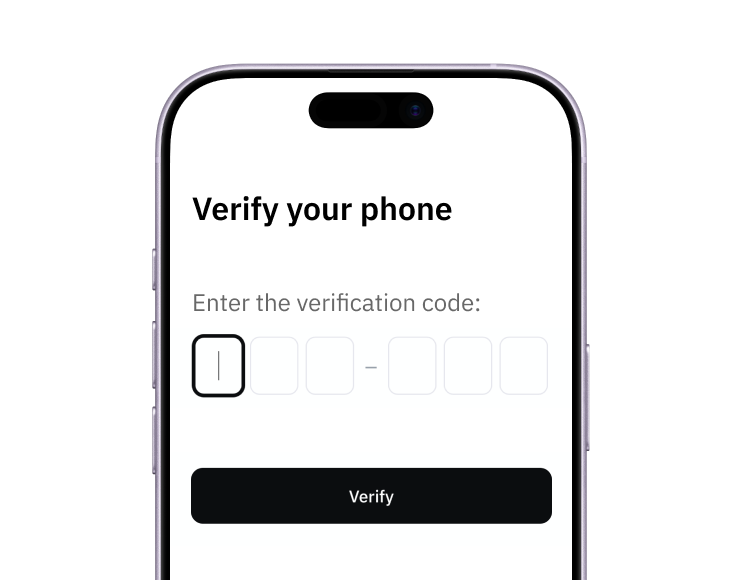
1. Sign-up with your phone
Sign up from your browser. No app download needed.
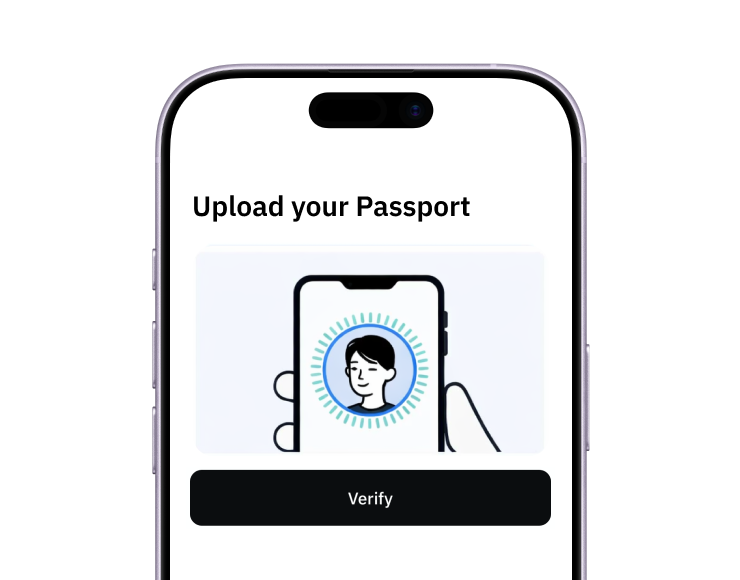
2. Complete a quick identity check
Verify you're a real person. No SSN or US residency required.
3. Add funds to your account
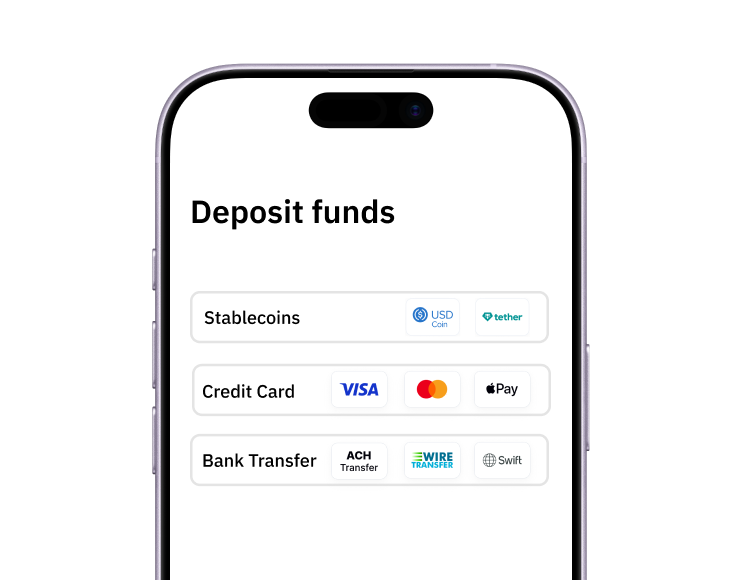
Use stablecoins, debit/credit card or ACH/SWIFT bank transfer (coming soon).
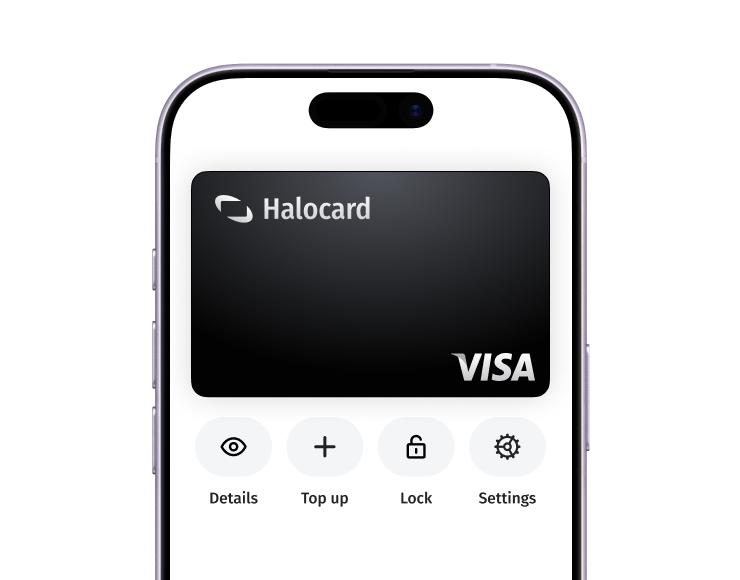
Your virtual card is ready.
That's it! Your virtual cards can now be used for online and in-person purchases anywhere in the world where Visa is accepted.