
-
This guide is for US residents and non-US users who need a reliable US-issued virtual credit card for online shopping, subscriptions, SaaS tools, and international payments.
-
The main problem with local or non-US cards is frequent declines on US websites, strict FX limits, higher foreign transaction fees, and blocked or unreliable international payment routing.
-
The top best virtual credit card providers in the USA include Halocard, Privacy.com, Capital One, Crypto.com, and Revolut.
-
Halocard stands out as the best us virtual credit card for both US residents and non-residents because it provides a US-issued card and US billing address.
Quick Comparison of the Top 5 US Virtual Credit Cards
| Provider | Card Type | US Issued | US Billing Address | SSN or Residency Required | Fees | Funding | Limits | Acceptance | Best For |
|---|---|---|---|---|---|---|---|---|---|
| Halocard | Virtual secured credit-style card | Yes | Yes | SSN and one form of government-issued ID required for US residents. SSN is not required for non-US residents | Starting from $12/month (up to 25 cards); 1.5% FX fee | Credit/debit card, ACH/wire, Apple Pay, Google Pay, crypto | No preset limit; spend what you load; per-card controls | Very high (Visa, 150M+ merchants) | Privacy-first users, non-US residents, US merchant acceptance without credit checks |
| Privacy | Virtual debit card | Yes | Yes | US residency + US bank account required | Free plan available; $5–$25/month plans; 3% FX fee on lower tiers | Linked US bank account | Custom per-card limits (transaction, monthly, annual) | High (Visa & Mastercard) | US users who want granular spend controls and subscription management |
| Capital One (Eno) | Virtual credit card (linked to existing card) | Yes | Yes | US residency + Capital One credit card required | No extra fees; FX fees depend on underlying card (often 0%) | Existing Capital One credit line | Shares main credit line; no per-card spend limits | Very high | Existing Capital One cardholders wanting free virtual cards |
| Crypto.com | Prepaid debit virtual card | Yes (US-issued option) | Yes (US-issued cards) | No US residency required; global KYC applies | No monthly fee; FX fees vary by region and tier; CRO staking affects benefits | Preloaded fiat balance via Crypto.com app | Spend what you preload; tier- and region-based limits | High (Visa) | Global users who want a US-issued prepaid card through a crypto platform |
| Revolut (US) | Prepaid debit virtual card | Yes | Yes | US residency + KYC required | Free plan; FX fees after $1,000/month or outside market hours | Bank transfer, debit card top-ups | Balance-based; in-app spend controls | High (Visa & Mastercard) | Budgeting, disposable cards, and multi-currency online spending |
Top 5 Best US Virtual Credit Cards
Let's examine the top five virtual credit cards; Halocard, Privacy.com, Capital One, Crypto.com, and Revolut.
1. Halocard
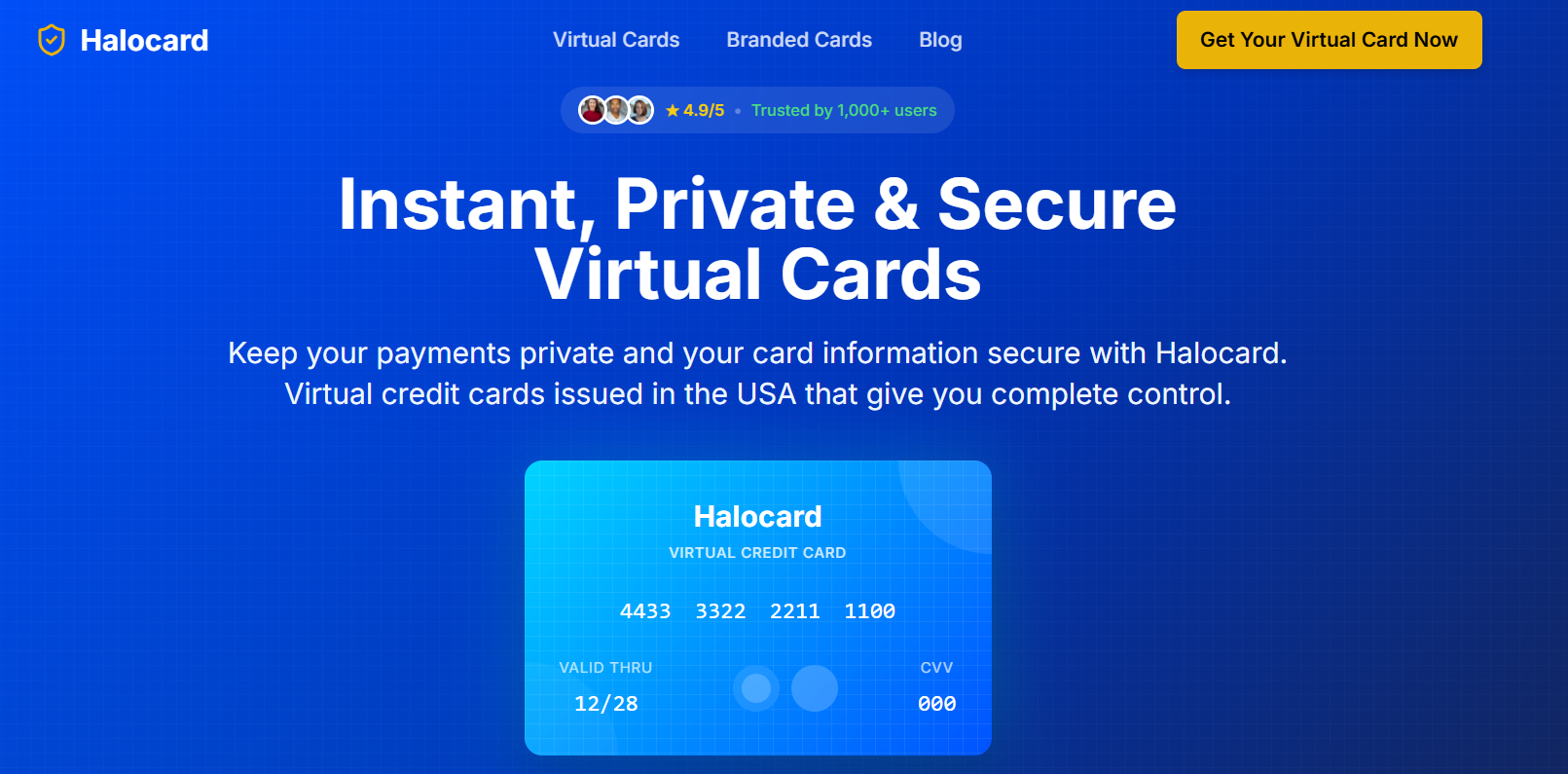
Halocard is a US-based virtual credit card platform that issues Visa virtual cards built for fast, private, and secure online payments. Cards are created in minutes and can be used anywhere Visa is accepted.
Who It’s For
Halocard is available to both US residents and non-US residents. No US credit check or credit bureau reporting is required, which makes it accessible to international users. Non-US residents do not require a US SSN to obtain a Halocard virtual card, although US residents do require an SSN and one other form of government-issued ID.
US-Issued Card and Billing Address
-
US-issued card: Yes
-
US billing address: Yes
This improves acceptance with US-based merchants and reduces payment declines.
Fees
-
Card creation: Included
-
Monthly fee: Starting from $12
-
FX fees: 1.5% on non-USD purchases
-
ATM fees: Not applicable
Spending Limits
There are no preset spending limits. You can only spend the amount you load, with built-in controls to cap usage or lock cards at any time.
Key Advantages
-
US-issued Visa cards accepted at 150M+ merchants
-
Instant card creation with immediate access
-
Strong privacy with purchases not linked to your primary bank account
-
Works with Apple Pay and Google Pay
-
Supports multiple cards, including branded cards
-
Non-US residents do not require SSN
Key Drawbacks
-
Monthly subscription required
-
No traditional credit line
-
FX fees apply to non-USD purchases
Why Choose Halocard
Halocard is ideal if you want fast access to US-issued virtual cards with strong privacy controls and broad acceptance, without relying on your primary card or undergoing credit checks.
2. Privacy.com
Privacy is a US-based virtual card platform that issues virtual debit cards designed to protect your payment information. Each card uses a unique number to mask your real bank details and reduce fraud risk.
Who It’s For
Privacy is primarily for US residents. You must link a US bank account to use the service, which limits access for most non-US users.
US-Issued Card and Billing Address
-
US-issued card: Yes
-
US billing address: Yes
This helps with acceptance at US merchants and subscription services.
Fees
-
Card creation: Free
-
Monthly fees: $0 (Personal), $5 (Plus), $10 (Pro), $25 (Premium)
-
FX fees: 3% on Personal and Plus plans, none on Pro or Premium
-
ATM fees: Not supported
Spending Limits
Privacy allows detailed spending controls. You can set per-transaction, monthly, annual, or total spending limits, and lock cards to a single merchant or category.
Key Advantages
-
Strong privacy with merchant-locked and single-use cards
-
No credit checks and no impact on your credit score
-
Flexible spending limits and easy card controls
-
Browser extensions and mobile apps for quick card creation
-
Cashback available on higher-tier plans
Key Drawbacks
-
US residents only
-
Requires linking a bank account
-
Virtual debit cards only, not true credit cards
-
FX fees apply on lower-tier plans
Why Choose Privacy
Privacy is a strong choice if you live in the US and want maximum control over online spending, subscriptions, and merchant-specific payments. It stands out for granular spend controls and privacy, but it is less suitable if you need a true virtual credit card or international access.
3. Capital One Virtual Card

Capital One Virtual Cards are merchant-specific virtual credit card numbers generated through Eno, Capital One’s security assistant. These cards are linked directly to an existing Capital One credit card and are designed to protect your real card number when shopping online.
Who It’s For
This option is for US residents only. You must already have an eligible Capital One credit card. It is not available to non-US users.
US-Issued Card and Billing Address
-
US-issued card: Yes
-
US billing address: Yes
Since the virtual cards are tied to a Capital One credit card, they use a standard US billing profile with strong merchant acceptance.
Fees
-
Card creation: Free
-
Monthly or subscription fees: None
-
FX fees: Standard Capital One policy (typically no foreign transaction fees on most Capital One cards)
-
ATM fees: Not applicable
Spending Limits
Virtual cards share the same credit limit as your underlying Capital One credit card. You can lock or delete individual virtual cards, but you cannot set custom per-card spending limits.
Key Advantages
-
Free to use with eligible Capital One credit cards
-
Merchant-locked virtual card numbers for strong fraud protection
-
No foreign transaction fees on most Capital One cards
-
Instant access through the mobile app, website, Google Pay, or Eno browser extension
-
Charges earn the same rewards as the physical card
Key Drawbacks
-
Only available to existing Capital One cardholders
-
US residents only
-
No prepaid funding or balance-based control
-
Limited customization compared to standalone virtual card platforms
Why Choose Capital One
Capital One is best if you already have a Capital One credit card and want a free, built-in virtual credit card for safer online shopping. It is convenient and reliable, but less flexible than standalone providers if you need strict spending controls, prepaid funding, or international access.
4. Crypto.com Virtual Card
The Crypto.com Virtual Card is a prepaid Visa virtual card issued through the Crypto.com app. It lets users spend fiat funds online while waiting for a physical Crypto.com Visa Card to arrive. It is not a credit card and does not provide a credit line.
Who It’s For
Crypto.com virtual cards are available to both US and non-US residents, subject to local eligibility and KYC requirements. Availability and features vary by country.
US-Issued Card and Billing Address
-
US-issued card: Yes (for US users)
-
US billing address: Yes (for US-issued cards)
Cards issued outside the US use regional billing details, which may affect merchant acceptance.
Fees
-
Card creation: Included
-
Monthly or subscription fees: Varies by card tier and CRO staking level
-
FX fees: Varies by region and card tier
-
ATM fees: Not supported on virtual cards
Fees depend heavily on jurisdiction and card level, and physical card issuance may carry additional costs.
Spending Limits
Spending limits depend on the card tier and region. You can only spend the amount you preload onto the card. Virtual cards support online spending only and cannot be used for ATM or point-of-sale transactions.
Key Advantages
-
Available in multiple countries
-
Instant virtual card access after approval
-
Works with Apple Pay, Google Pay, and Samsung Pay (US-issued cards)
-
Integrated with the Crypto.com ecosystem
-
Can be used while waiting for a physical card
Key Drawbacks
-
Prepaid only, no credit functionality
-
Fees and limits vary widely by region
-
CRO staking may be required for higher-tier benefits
-
Not all virtual cards support digital wallets
Why Choose Crypto.com
Crypto.com is best for users already active in the Crypto.com ecosystem who want a prepaid virtual card for online spending before receiving a physical card. It offers broad global availability, but it is less suitable if you want a simple, US-focused virtual credit card with predictable fees and spending controls.
5. Revolut Virtual Card
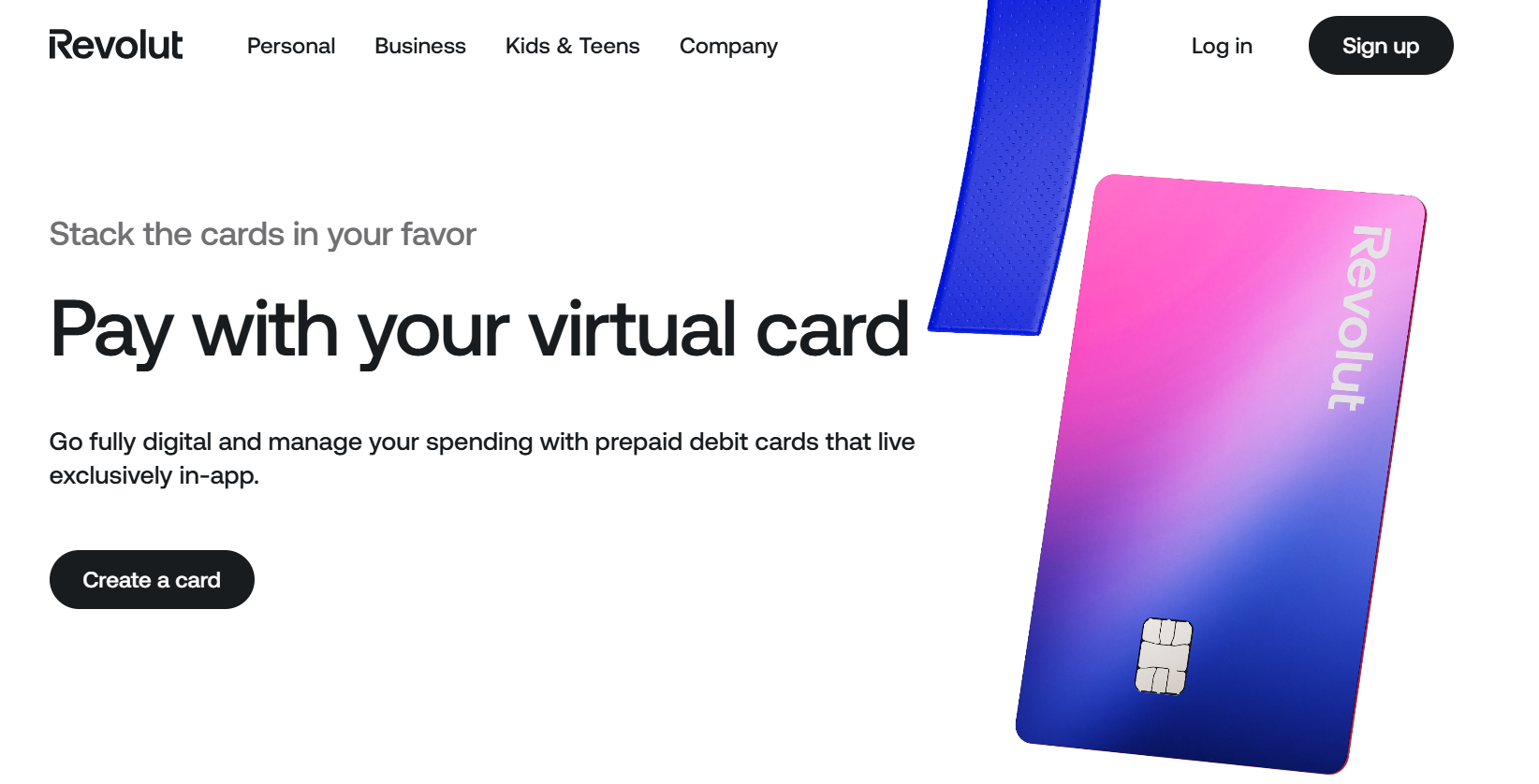
Revolut’s virtual card is a prepaid debit virtual card that lives entirely inside the Revolut app. It uses a 16-digit card number, CVV, and expiration date for online payments and can also be added to Apple Pay and Google Pay for contactless spending. It is not a credit card and does not provide a credit line.
Who It’s For
Revolut virtual cards are available to US residents who open a Revolut prepaid account and complete identity verification. Non-US residents must use their local Revolut entity and are subject to different rules.
US-Issued Card and Billing Address
-
US-issued card: Yes
-
US billing address: Yes
US-issued Revolut cards generally have solid acceptance with US merchants and subscription platforms.
Fees (US Only)
-
Card creation: First virtual card is free
-
Monthly or subscription fees: $0 for Standard plan, $9.99 for Premium, $16.99 for Metal
-
FX fees: No fee during FX market hours up to $1,000 per month on Standard; 0.5% fair usage fee beyond that; 1.0% markup outside FX market hours
-
ATM fees: Not applicable to virtual cards
Additional fees may apply when adding money via debit or credit card (up to 1% for US debit cards and up to 3% for credit cards).
Spending Limits
Spending is limited to the amount loaded into your Revolut prepaid account. Users can set spending limits, freeze cards instantly, and use separate cards for budgeting or expense tracking.
Key Advantages
-
US-issued prepaid Visa or Mastercard virtual cards
-
Disposable single-use cards for extra fraud protection
-
Works with Apple Pay and Google Pay
-
Strong in-app controls for freezing cards and managing spend
-
Good option for multi-currency spending
Key Drawbacks
-
Not a credit card
-
FX fees can apply outside market hours
-
Fees for card top-ups using credit cards
-
Feature limits on the free plan
Why Choose Revolut
Revolut is a strong choice if you want flexible prepaid virtual cards with budgeting tools, disposable card numbers, and multi-currency support. It works well for everyday online spending and travel, but it is less suitable if you want a true US-issued virtual credit card with a revolving credit line.
What Is a Virtual Credit Card?
A virtual credit card is a digital version of a traditional credit card, one made for making purchases online. Instead of having a physical card number, you have a unique virtual credit card number with its own security code and expiration date.
These cards exist in a virtual card app, mobile apps, or in your online credit card account. They can be accessed instantly from your mobile device or desktop. After account approval, you'll be granted instant access, and depending on the provider, you may even be able to request a physical card as well.
Types of Virtual Cards
There are three main types of virtual cards, each tied to a different funding source.
-
Virtual credit cards can be either unsecured, tied to an existing credit line from a financial institution, or secured, funded directly by the user. Halocard operates as a secured virtual credit card, making it easy to access without relying on prior credit approval or traditional lending requirements.
-
A virtual debit card connects directly to a bank account, drawing funds from it in real time.
-
Virtual prepaid cards are loaded with a fixed balance and are often used for short-term use and to maintain ideal spending limits.
Common Uses for Virtual Cards
Three of the most common uses of virtual credit cards are to manage subscriptions, shop online, and for international transactions. Some virtual cards also support in-person purchases and contactless payments through services such as Apple Pay, Google Pay, and Samsung Pay.
Benefits of Having a Virtual Credit Card Number
There are a number of reasons to consider having a virtual credit card, including improved security, privacy, online-usage only, and having access to rotating or disposable numbers.
Security
Virtual credit cards improve overall security during online transactions by masking your actual credit card details. Your virtual credit card number is separate from your physical credit card, helping reduce the risk of unauthorized transactions in the event that a merchant suffers a data breach.
Privacy
Virtual credit cards limit how much financial information is shared when you shop online, as merchants never see your actual card details.
Online and In Store Use
Although virtual cards are generally designed to be used online, many also allow you to add them to digitial wallets such as Google Pay, therefore also allowing for contactless payments.
Rotating or Disposable Numbers
There are many virtual card providers that offer rotating numbers or temporary cards. This allows you to set spending limits, keep tight control over subscriptions, and stop payments instantly, among other benefits. This leads to better financial control.
Using US Virtual Cards - Why They Are Beneficial
US-Issued virtual cards use a US billing address and US BIN. A BIN (Bank Identification Number) is the first six digits of a debit or credit card number. It identifies which bank or financial institution issued the card and what type of card it is.
This improves acceptance for online payments, both in the US and globally.
They reduce declines during international transactions, help avoid hidden fees, and often come with competitive foreign exchange rates.
This is why many search for the best US virtual credit cards - as these benefits make online purchases and transactions much simpler, safer, and more reliable.
Pros & Cons of US Virtual Credit Cards
US virtual credit cards come with clear advantages, along with a few limitations that are worth keeping in mind before choosing a provider.
Pros
-
Higher Acceptance on US Websites: US-issued virtual cards tend to work more reliably on American websites compared to non-US cards, especially for ecommerce and service platforms.
-
Fewer Payment Failures and Declines: Because these cards are issued in the US, transactions are less likely to be flagged or declined by US merchants and payment processors.
-
Stronger Privacy and Fraud Protection: Virtual cards mask your real card details, which helps reduce exposure and adds an extra layer of protection against fraud.
-
Ideal for Subscriptions and Recurring Billing: They work well for SaaS tools, streaming services, and ongoing subscriptions that require consistent payment authorization.
-
No Physical Card Required: Setup is typically quick since there is no physical card to ship, allowing you to start paying online almost immediately.
Cons
-
SSN Requirements With Some Providers: Many US virtual card providers still require a Social Security Number to sign up or access full features.
-
US Residency Restrictions: Some cards are only available to US residents, which can limit options for international users.
-
FX Fees on Non-USD Transactions: Foreign exchange fees may apply when making purchases in currencies other than US dollars.
-
Funding Limitations for Non-US Users: Depending on the provider, non-US users may face restrictions when adding funds or managing balances.
Frequently Asked Questions
Which Virtual Credit Card Is the Best?
The best virtual credit card depends on your needs. For privacy and international access, platforms like Halocard stand out. For US users, major banks and fintechs remain among the best virtual credit card providers.
What Is the Best Free Virtual Credit Card?
Capital One’s virtual cards are often considered the best free virtual credit card option if you already hold an eligible Capital One card. Privacy also offers a free tier for US residents.
What Is the $750 Welcome Bonus Credit Card?
The $750 bonus typically refers to limited-time offers on premium US credit cards, not standalone virtual cards. These bonuses require approval for a traditional credit card, not a US virtual credit card alone.
What Is Ghost Credit?
Ghost credit usually refers to temporary or masked card numbers used for online payments. It is not an official banking term but is often associated with virtual credit card US products.
Which Bank Gives a Virtual Credit Card Instantly?
Several US banks, including Capital One, provide instant virtual cards after approval. Fintech platforms are also among the best virtual card providers for immediate access.
What Is the Downside of Virtual Cards?
The main downside is limited acceptance in certain situations and possible FX fees. Some providers also require SSN verification, which affects access to a US virtual card without SSN.
Can Non-US Residents Get a US Virtual Card?
Yes, some platforms issue a US virtual credit card for foreigners, including options marketed as the best US virtual credit card for non-residents with a US billing address.
Do US Virtual Cards Require an SSN?
Not always. While many banks require an SSN, some fintech providers offer a US virtual credit card without SSN, relying on alternative identity checks.
Can Virtual Cards Be Used for Subscriptions?
Yes. Virtual cards work well for subscriptions and are often considered the best US virtual prepaid card or best digital credit card for managing recurring payments securely.
Virtual Card Acceptance
Not all virtual cards are created equal and the underlying card type plays a big role. Virtual credit cards are the strongest for acceptance, especially on US websites, ecommerce platforms and digital services that require recurring payment authorization.
Debit and prepaid virtual cards often get declined due to regional issuer rules, conservative fraud filters or limited transaction permissions.
Halocard stands out by using US-issued Visa BINs which are recognized by American payment systems as domestic cards. This increases approval rates in the US and makes the card more reliable for global online payments.
How to Get Halocard
If you need a US virtual credit card that works reliably on US websites, Halocard is built for exactly that use case. It removes many of the barriers found with traditional US banks, while still delivering strong acceptance, privacy, and control.
Steps
-
Sign Up
Create an account with your email or phone number and complete a quick identity check. -
Generate a Virtual Card
Create your US-issued virtual card instantly inside the dashboard. -
Add Funds
Load funds using supported methods and control how much each card can spend. -
Pay on US Websites Instantly
Use your card right away for subscriptions, SaaS tools, and ecommerce purchases.
Why Halocard Stands Out
-
Designed specifically for non-US residents
-
US-issued virtual card with a US billing address
-
High acceptance on US merchants and platforms
-
Works smoothly for subscriptions and online shopping
If you need a US virtual credit card that actually works, Halocard is the simplest place to start.
Disclaimer: Prices and fees listed are accurate at the time of writing and may change without notice.
Sources
-
Revolut. Virtual Card | Create your Virtual Debit & Prepaid Card Online | Revolut United States Sourced on January 11, 2026.
-
Revolut. Choose your perfect plan | Revolut US Sourced on January 11, 2026.
-
Crypto.com. Crypto.com Visa Card: Earn Up to 5% back on your daily spending Sourced on January 11, 2026.
-
Capital One. Capital One | Credit Cards, Checking, Savings & Auto Loans Sourced on January 11, 2026.
-
Privacy.com Privacy.com Virtual Cards – Secure, Temporary Cards Sourced on January 11, 2026.
-
Privacy.com Payment Solutions for Online Data Security | Get Started For Free Sourced on January 11, 2026.
-
Halocard. Halocard | Instant, Private & Secure Virtual Credit Cards Sourced on January 11, 2026.
Halocard Virtual Cards
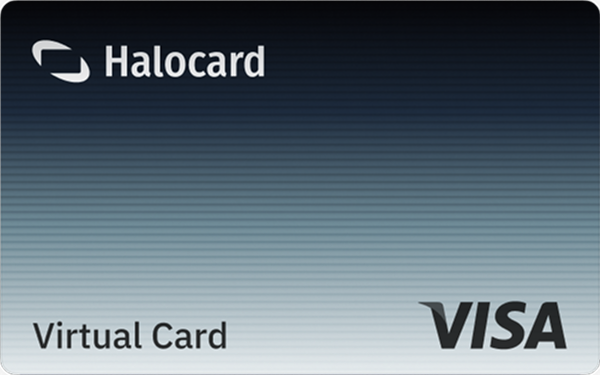

Instant approval
Create your first card in under 5 minutes.

Private purchases
Purchases never appear on your bank account.

Powered by Visa
Accepted at 150M+ merchants globally.
How to get a virtual credit card in 3 simple steps
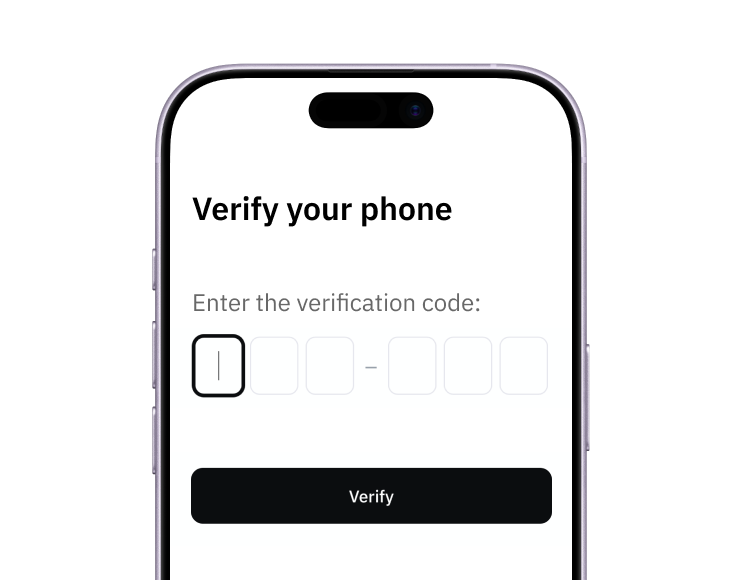
1. Sign-up with your phone
Sign up from your browser. No app download needed.
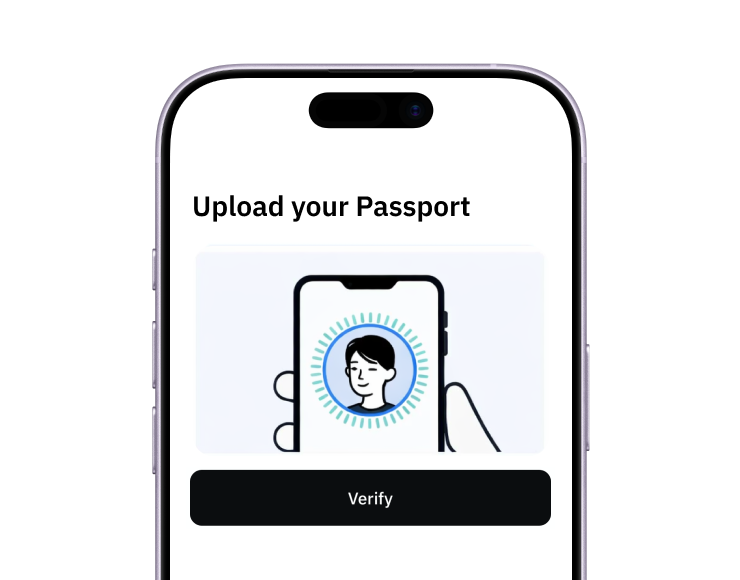
2. Complete a quick identity check
Verify you're a real person. No SSN or US residency required.
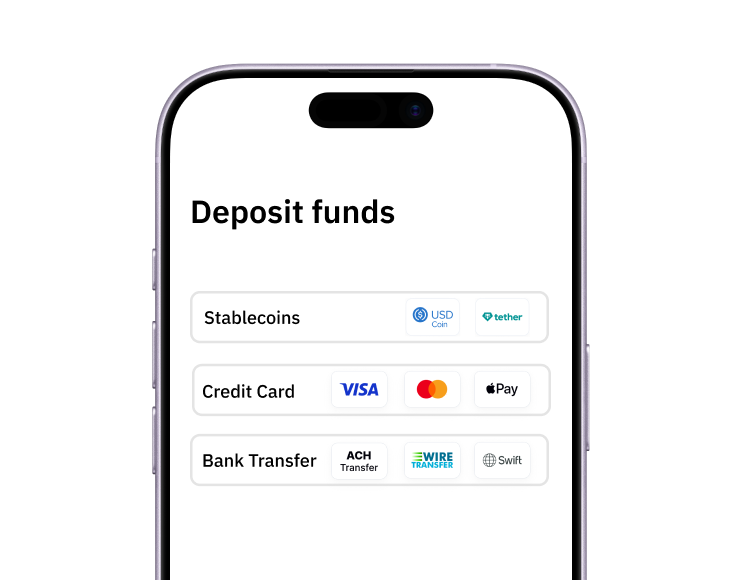
3. Add funds to your account
Use stablecoins, debit/credit card or ACH/SWIFT bank transfer (coming soon).
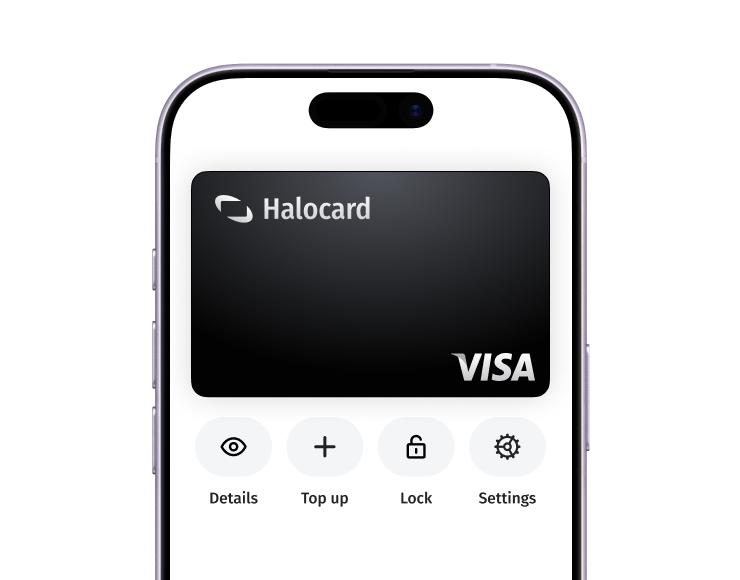
Your virtual card is ready.
That's it! Your virtual cards can now be used for online and in-person purchases anywhere in the world where Visa is accepted.