Hacked Debit Cards: 5 Immediate Steps to Recover Your Money

Samantha Kirby
Editorial Team
There were over 76,000 reports of hacked debit cards and credit cards filed in 2024. Acting quickly can protect your bank account and financial information, and prevent further fraudulent charges. Here’s what to do:
-
Contact your bank or card issuer immediately to have your card blocked and report fraud as soon as possible to maximize your chances of recovering lost money.
-
Dispute all suspicious activity and unauthorized purchases and get written confirmation.
-
Secure your online banking, email, and financial account passwords.
-
Use virtual cards for online and in-person payments in the meantime.
-
If you suspect identity theft consider placing a fraud alert on your credit report.
Taking these steps greatly increases your chances of recovering lost money and stopping repeat debit card fraud. Remember, this is a common issue, and banks have dedicated fraud teams ready to help you through the process and Visa and Mastercard offer Zero Liability protection so you are typically not held responsible for fraudulent or unauthorized charges if you act quickly.
Step 1: Contact Your Bank or Card Issuer Right Away
The first step is to contact the bank or card issuer as soon as fraudulent charges are detected. Promptly report fraud or any suspicious activity to your debit card issuer; the sooner you report fraudulent activity, the higher your chances of recovering any lost money. Major issuers have dedicated fraud departments that walk you through this process. Use your bank’s official mobile app if it has a fraud reporting feature or call the number on the back of your debit card.
Be clear when informing your bank or issuer that you’re reporting unauthorized debit card transactions and request that the card be blocked immediately. Additionally, ask for a replacement card to be issued now that your current card is frozen or blocked. After you report the fraudulent activity, the bank will likely cancel your card and issue a new one.
Fraud reporting pages for major issuers include:
-
Chase: Report credit card fraud
-
Bank of America: Report fraudulent activity
-
Wells Fargo: Fraud resources
Your liability for unauthorized debit card transactions increases the longer you wait to report them, potentially up to the full amount stolen after 60 days.
Step 2: Dispute the Fraudulent Transactions
While you’re on the phone, ask about the bank’s zero-liability or limited-liability policy for debit card fraud, and request for a written confirmation of your dispute. Having written confirmation (email or letter) shows when you reported the fraud and which unauthorized transactions you disputed. It matters because dispute rights are often time-limited and if there is follow up needed or a disagreement later then you have clear independent proof acknowledging your dispute.
In the US for example, under federal law, if you report the fraud within two business days, your maximum liability is typically $50, and many banks even waive that. But, this is time sensitive and a further reason why acting fast and keeping a record is key.
Step 3: Secure Your Online Account Passwords And Enable Two Factor Authentication
Debit card fraud is often linked to online account compromise so if someone has your debit card information, they may also have access to other accounts.
Criminals can use keylogging software to capture debit card information and other private information when banking or shopping on public Wi-Fi networks, making it crucial to safeguard your details and avoid unsecured connections.
Because of this it is best to change the passwords for your bank, email, and any financial apps. Your email is especially critical as it’s often the recovery method for resetting bank passwords. When changing login information make sure to use a long, unique password for each service. For an extra layer of protection it’s strongly recommended that you enable two factor authentication everywhere it’s offered.
While it may seem unnecessary, implementing these measures protects accounts from additional unauthorized activity, even if login credentials were exposed during the hack.
If you are having trouble setting, storing, or coming up with secure passwords, consider using a password manager, such as 1Password or Bitwarden, to generate and store unique credentials.
Step 4: Use a Secure Virtual Card To Protect Your Card Details
The best method for prevention is never letting hackers have a chance to get your physical debit card number. If your real card number isn’t floating around in dozens of merchant databases, it can’t be stolen from those databases when they inevitably get breached. This can be done using virtual cards.
Virtual cards are digital card numbers that work exactly like normal cards for online purchases but they’re not your actual debit card number. They act as an alias or mask in front of your real account. When you use a virtual card at an online store, the merchant sees a valid card number and processes the payment normally. But if that merchant gets hacked later, the criminals only get the virtual number, not your actual debit card information. Your primary debit card stays active, your other virtual cards tied to different merchants continue working normally, and the compromised card can be deleted instantly.
A dedicated virtual card platform such as Halocard allows the creation of unique card numbers for each merchant or subscription. This approach significantly reduces the risk of repeat fraud and protects financial information during online transactions.
Step 5: Consider a Fraud Alert or Filing an Identity Theft Report
If only your debit card number was stolen and your bank canceled the card, a fraud alert is usually not needed. However, if you notice suspicious activity including:
-
New accounts opened in your name
-
Unfamiliar credit checks
-
Personal information such as your Social Security number being exposed
Then it’s important to place a fraud alert or file an identity theft report. You can do this by contacting a credit bureau or using the Federal Trade Commission's Identity Theft portal.
But Why Does My Debit Card Keep Getting Hacked?
Repeated debit card fraud rarely happens due to carelessness. Most often, your debit card details are stored in systems that you can not access or control. Common causes of debit card fraud include:
-
Merchant data breaches that expose card numbers and bank account information for resale.
-
Saved card details on websites and apps, especially with subscriptions and automatic payments.
-
Phishing scams and fake checkout pages capturing card info during online purchases.
-
Card skimming devices on ATMs or point of sale terminals used in stores or for cash withdrawals.
-
Public wi-fi networks that allow attackers to intercept financial data.
Avoid online banking and payments on public wi-fi; use private wi-fi or cellular data instead.
Start Using Secure Virtual Cards To Protect Your Card Details
Here’s how virtual cards work: You open an app, generate a new virtual card number, use it at one specific online store, and your underlying checking account and debit card account number stays hidden. The merchant never sees your real account number. If anything goes wrong with that virtual card, you simply delete it and create a new one, without affecting your primary debit card or any other purchases.
There are several types of virtual cards:
-
Merchant-locked cards work only at one specific store. If a thief tries to use the number elsewhere, the transaction gets declined automatically.
-
Single-use or disposable cards work for one transaction and then expire. They’re ideal for one-time purchases at unfamiliar retailers.
-
Subscription-focused cards are designed for recurring billing. You can set spending limits, control renewal amounts, and shut them off instantly when you cancel a service.
Why Halocard is the safest way to protect your debit card information
Halocard is a virtual card service designed to protect you from hacked debit cards and credit cards while working seamlessly with your existing bank account. It works alongside your existing bank account rather than replacing it.
With Halocard, you generate unique virtual card numbers for each merchant. The number stored at your streaming service is different from the one stored at your favorite online retailer, which is different from the one you used for that travel booking. This separation means a breach at any single merchant only exposes one virtual card, not your entire payment history.
Additionally, Halocard lets you set monthly spending limits so charges can’t exceed what you expect. If a merchant accidentally double-charges you or if a compromised card is used for larger amounts, the transaction fails when it exceeds your preset limit.
If one of your virtual cards does get compromised, you cancel only that specific virtual card in seconds. Your primary debit card stays active. Your other virtual cards tied to different merchants continue working normally. There’s no need to call your bank, wait for a replacement card, or update your card details at dozens of websites.
Common Methods to Prevent Debit Card Fraud Going Forward
Never use your physical debit card number online. For all e-commerce, app payments, and subscriptions, use virtual cards from Halocard or your bank instead. Reserve your real debit card number for ATM use and secure in-person purchases only. Using credit cards online generally offers better fraud protection than debit cards.
Review your accounts weekly. Set a reminder to check your bank and card statements for small or unfamiliar transactions, especially test charges under a few dollars. Monitoring your accounts regularly helps protect against debit card fraud. Report anything suspicious to your bank immediately. Signs of a hacked debit card include unauthorized charges, unexpected card declines, new accounts on your credit report, or receiving a replacement card you didn't request. Even a new debit card arriving unexpectedly can also be a sign of fraud.
Enable real-time transaction alerts. Customize alerts via SMS, email, or app notifications for online purchases, international charges, large transactions, or ATM withdrawals to detect fraud quickly nd be warned of anything unusual or suspicious.
Secure key accounts with strong passwords and MFA. Use unique, complex passwords and enable two-factor authentication on your email, banking apps, and password managers to protect your financial information. Safeguard your private information, such as debit card details and passwords, to prevent unauthorized access and identity theft.
Consider a credit freeze if exposed. If you’ve lost your ID, experienced a major data breach, or noticed signs of identity theft such as open accounts you didn’t authorize, placing a credit freeze through the three credit bureaus including Experian, TransUnion, and Equifax, is worth considering. Use your debit card wisely and consider a freeze if you suspect your information has been compromised. A fraud alert is a lighter option that requires identity verification before new credit is opened.
Be cautious at ATMs and online. Use bank-owned ATMs over standalone machines, as standalone machines in convenience stores or gas stations are more vulnerable to tampering. Also check for skimming devices (skimming involves using a device to retrieve account data from a card's magnetic strip), and shield your PIN at ATMs. Lastly, avoid public Wi-Fi for financial transactions and use a VPN to encrypt your online activity if public Wi-Fi is unavoidable.
Use only secure reputable websites. Only enter your debit card information on secure, reputable websites and online merchants that have 'https' in the URL (indicating a valid security certificate)
Educate family members about scams. Phishing emails, fake tech support calls, and scam texts can expose shared devices or accounts. A shared device or account can leak your card information indirectly if someone in your household falls victim to a social engineering attack.
Conclusion: You Can End the Cycle of Your Card Getting Hacked
Hacked debit cards are rarely caused by a single mistake. They are usually the result of reused card numbers, stored card information, data breaches, phishing scams, and the structural vulnerability of debit cards themselves.
By reporting fraud quickly, working closely with your card issuer, securing your online banking, enabling two factor authentication, and using virtual cards for online purchases, you dramatically reduce your exposure to debit card fraud.
The most important long term change is stopping the use of your real debit card number online. Use virtual cards as a convenient way to remain vigilant and stay protected. When you control where your card information goes, you control how scammers can access your money. With the right habits and tools in place, you can realistically stop the cycle of repeated unauthorized charges and protect your financial life moving forward.
Halocard Virtual Cards
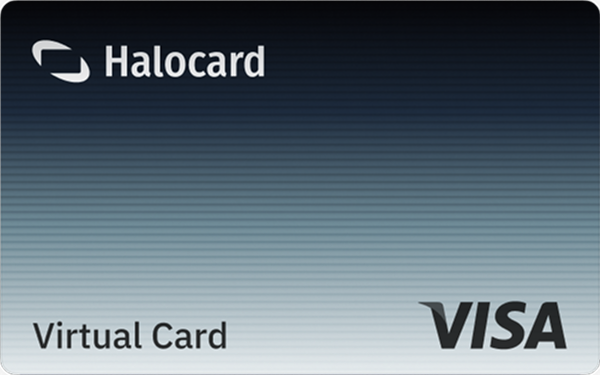

Instant approval
Create your first card in under 5 minutes.

Private purchases
Purchases never appear on your bank account.

Powered by Visa
Accepted at 150M+ merchants globally.
How to get a virtual credit card in 3 simple steps
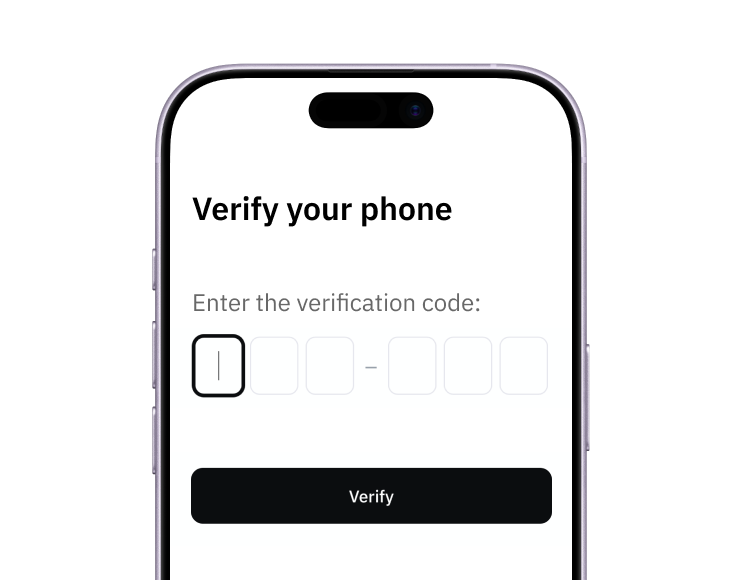
1. Sign-up with your phone
Sign up from your browser. No app download needed.
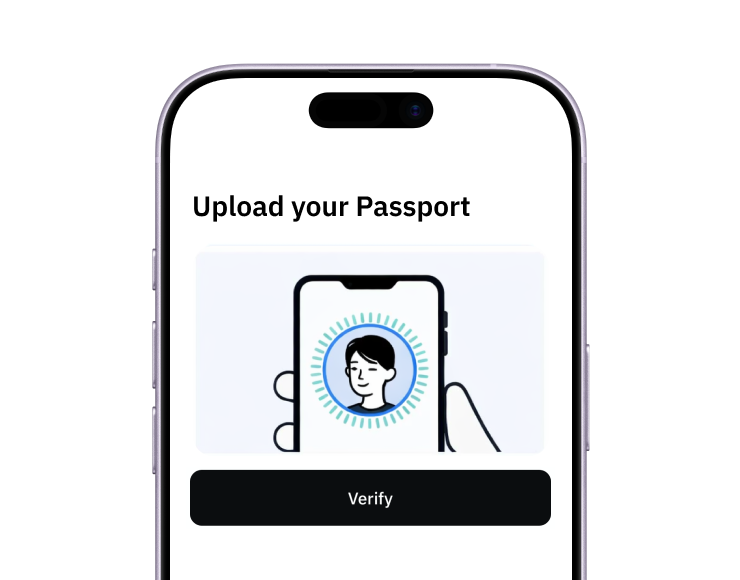
2. Complete a quick identity check
Verify you're a real person. No SSN or US residency required.
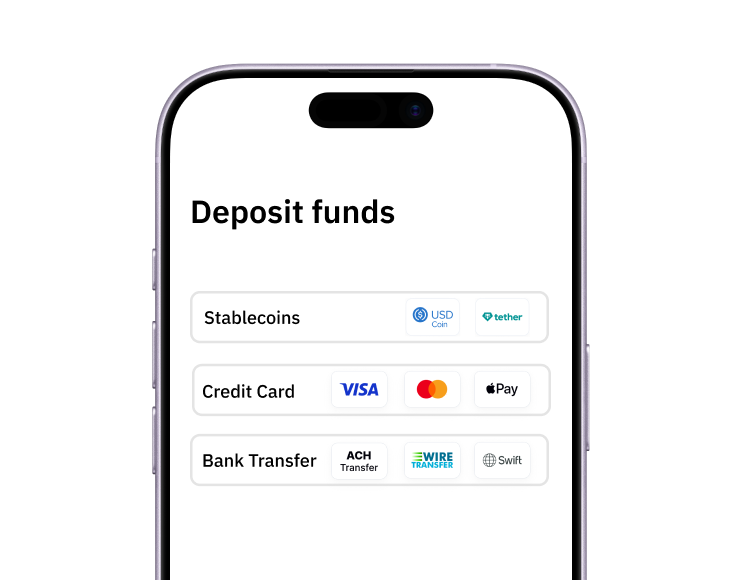
3. Add funds to your account
Use stablecoins, debit/credit card or ACH/SWIFT bank transfer (coming soon).
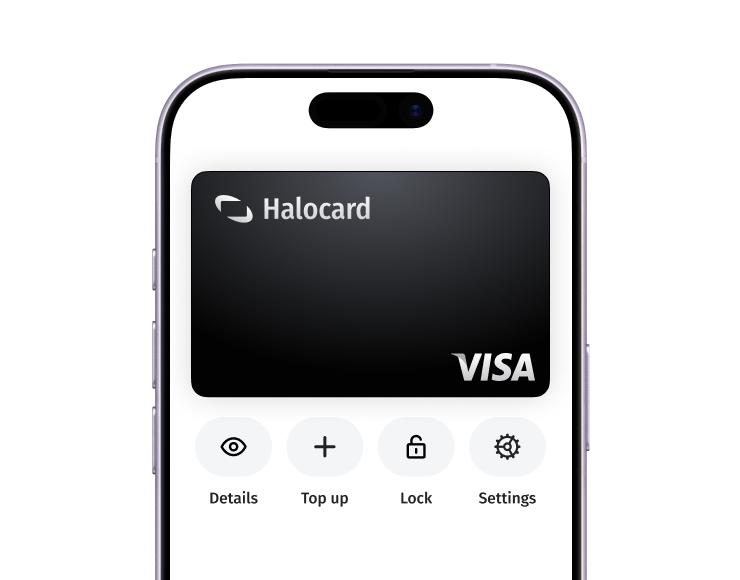
Your virtual card is ready.
That's it! Your virtual cards can now be used for online and in-person purchases anywhere in the world where Visa is accepted.