OnlyFans Data Leak 2026: Was OnlyFans Hacked and How To Protect Yourself

Edward Taylor
Key Takeaways
-
The OnlyFans mega leak is almost certainly not a real breach of OnlyFans systems. OnlyFans has officially denied it, and the hacker selling the data admitted they compiled it from old breaches and publicly scraped social media data.
-
The most immediate threat is not the leaked data itself but a wave of fake "OnlyFans leak checker" websites installing infostealer malware on anyone who uses them.
-
If you want to check whether your email has appeared in any known breach, use Have I Been Pwned. Never use a third-party leak checker you found via Google or social media.
-
To protect your future OnlyFans subscription payments and other sensitive billing, use a dedicated virtual credit card like Halocard so a future breach cannot expose your real banking details.
Is the OnlyFans Data Breach Real?
No, the OnlyFans mega leak is almost certainly not a real breach of OnlyFans systems. Three independent pieces of evidence point to the same conclusion:
-
OnlyFans officially denies it. An OnlyFans spokesperson told Cybernews that the reports are false. The platform has not forced password resets or issued breach notifications, which are standard responses to a confirmed breach of this scale.
-
The hacker themselves has admitted it isn't an OnlyFans hack. When journalists contacted the seller for verification, they confirmed the database was assembled from old breach datasets and publicly scraped social media data rather than pulled from OnlyFans systems.
-
Security researchers have called it a hoax. Hackread's analysis of sample records found placeholder values, missing fields, and structural patterns inconsistent with a genuine database scrape.
What is real and dangerous is the malware campaign exploiting the panic around the leak. Fake "OnlyFans leak checker" websites are installing malware like Lumma Stealer on any device that downloads or interacts with them.
What Hackers Are Claiming About OnlyFans Files and User Access
In late May 2026, a threat actor using the alias Euphoric_Reply_5727 posted a listing on a popular cybercrime forum offering what they described as a complete OnlyFans user database.
The listing claimed:
-
Approximately 340 million user records
-
Emails, usernames, phone numbers, and profile metrics
-
Linked social media handles from Twitter, Instagram, and Spotify
-
Partial payment card metadata
-
Listed price of 0.313 BTC, approximately $76,000 or £60,000
The claim spread rapidly across X, with several viral posts suggesting the database represented every active OnlyFans fan. Some posts dramatically undercounted the figure at 3.5 million, which suggests different versions of the story were already mutating as it spread.
What OnlyFans Has Said
OnlyFans responded publicly through a spokesperson who told Cybernews that the reports were false. Their statement, provided on background to the publication, directly disputed the breach claim.
As of the time of writing, OnlyFans has not issued any updated statement, has not taken its services offline, and has not forced password resets across user accounts. All three of those actions would normally accompany a confirmed breach of this scale, and their absence is one of the strongest signals that the platform itself has not been compromised.
What the Hacker Actually Admitted About the OnlyFans Mega Leak
When journalists at multiple outlets contacted the seller for verification, the story changed quickly. The seller confirmed that the database had not been pulled from OnlyFans systems. Instead, it had been assembled by cross-referencing publicly available data scraped from social media platforms with previously leaked credentials from unrelated data breaches.
This is what security researchers call a "compilation." It is a recycled dataset built from old breaches and public scraping, repackaged and resold as if it were a fresh leak. Compilations are common in cybercrime forums and marketplaces because they generate sales without requiring the seller to actually breach anything.
Even though this particular OnlyFans mega leak is largely a compilation rather than a fresh OnlyFans breach, the data still matters. When user IDs, usernames, and email addresses from previous breaches are circulated together, attackers can cross-reference information across platforms to build profiles for phishing campaigns and credential-stuffing attacks. Reusing the same email and password across services is what makes recycled leak compilations dangerous in the first place, even when the company named in the headline was never actually hacked.
Why Security Researchers Believe It Is a Hoax
Several respected voices in cybersecurity have analyzed the claim and agree it is almost certainly a hoax. The data fields being advertised do not align with what a genuine OnlyFans database scrape would contain unless OnlyFans was exposing user information through public endpoints, which it is not.
The security publication Hackread reviewed sample records from the listing and found:
-
Incomplete entries with missing fields
-
Placeholder values like "None" where real data should appear
-
Fields such as
streams_countandlikes_countthat resemble frontend API attributes rather than backend database columns -
Sample timestamps dating back to August 2025 rather than May 2026
Security Affairs noted similar inconsistencies, with some researchers suggesting parts of the dataset may even be AI-generated to inflate the apparent size of the listing.
In short, the data being sold is almost certainly not a fresh OnlyFans breach. It is either recycled, scraped from public sources, partially fabricated, or some combination of all three.
The Real Threat: Fake OnlyFans Leak Checker Sites and Malware Content
While the OnlyFans mega leak itself appears to be a hoax, there is a genuine and immediate threat that has emerged from the panic surrounding it.
Threat actors have launched a wave of fake "OnlyFans leak checker" websites that promise to tell users whether their account is in the leaked database. These sites are not legitimate, and the content they serve is designed to steal data, not check it. According to recent cybersecurity reporting, several of them install infostealer malware including Lumma Stealer on the devices of anyone who downloads or interacts with them.
Lumma Stealer is a particularly aggressive piece of malware that harvests:
-
Saved passwords from your browser
-
Cryptocurrency wallet credentials
-
Stored payment card details
-
Session cookies and authentication tokens
-
Two-factor authentication backup codes
If you are worried your data may have been exposed, do not use any third-party leak checker you find via a Google search or social media links. The only authoritative free service for checking whether your email has appeared in a known breach is Have I Been Pwned.
How To Protect Your Payment Data and Account Access Going Forward
Instead of giving OnlyFans (or any subscription service) your real bank card and leaving yourself vulnerable to future data breaches, create a virtual card that:
-
Has its own unique card number separate from your primary credit card
-
Protects your personal information from being shared with merchants
-
Has spending limits you can set to prevent subscriptions overcharging you
-
Can be paused, locked, or cancelled instantly without affecting your other payments
If the platform is ever breached in future, the only card details exposed are the virtual one, which you can dispose of in a single click.
Halocard issues US-issued private virtual credit cards designed exactly for this scenario. Each card has its own dedicated number, per-card spending controls and the ability to set a custom name and billing address from anywhere in the world. Halocard is available in 140+ countries and you can fund Halocards using your debit or credit card, bank transfer, stablecoins or major cryptocurrencies.
When you set up a dedicated OnlyFans virtual card, both your personal information and bank account are protected.
Frequently Asked Questions
Was OnlyFans Hacked?
Based on currently available evidence, no. OnlyFans has officially denied any breach, the hacker selling the alleged database has admitted it was not pulled from OnlyFans systems, and tier-1 security researchers including Troy Hunt have publicly questioned the legitimacy of the listing. The dataset being sold appears to be a compilation of old breaches and scraped public data rather than a fresh hack of OnlyFans systems.
What Is the OnlyFans Mega Leak?
The OnlyFans mega leak refers to a viral claim from May 2026 that a hacker is selling 340 million OnlyFans user records on a cybercrime forum. The claim was amplified across X and several news outlets before security researchers and OnlyFans itself disputed it. The actual data being sold was compiled from old breaches and public social media scraping rather than a new hack of OnlyFans.
How Many OnlyFans Files and Account Records Were Leaked?
The hacker claims 340 million records. Viral X posts have spread various other figures including a misreported 3.5 million. Either way, the data does not appear to have come from OnlyFans systems directly. It was compiled from older unrelated breaches and scraped public profile data.
Am I in the OnlyFans Leak?
The safest way to check whether your email has appeared in any known data breach is to use Have I Been Pwned at haveibeenpwned.com. Do not use any third-party OnlyFans leak checker, as several of these are actively distributing infostealer malware that will steal your real passwords and payment details.
Are OnlyFans Leak Checker Sites Safe?
No. Several websites claiming to check whether you are in the OnlyFans leak are installing infostealer malware including Lumma Stealer on visitors' devices. The only legitimate free service for checking breach exposure is Have I Been Pwned.
What Should I Do To Protect My OnlyFans Account Access?
Change your password if you have used it on any other site, enable two-factor authentication using an authenticator app, and consider using a dedicated virtual credit card so your real banking details and subscription content are never stored on any subscription platform. If your account has been locked out by suspicious activity, unlock it through OnlyFans support directly rather than any third-party service.
Will OnlyFans Notify Me if There Is a Real Breach?
If a real OnlyFans data breach occurs in future, OnlyFans is legally required in most jurisdictions to notify affected users. They would typically also force password resets and issue public statements. None of this has happened in response to the May 2026 claims, which is itself evidence that the claim is not credible.
Can a Virtual Credit Card Protect Me From Future OnlyFans Breaches?
A virtual credit card cannot protect data that has already been exposed, but it can isolate your future payment activity so that if any subscription platform is breached in future, only the dedicated virtual card is exposed, not your real banking details. You can lock or cancel a virtual card instantly without affecting your other payments.
Sources
-
Cybernews. OnlyFans mega leak reveals 340M user records, hackers claim
-
IBTimes UK. OnlyFans Hacked? Truth Behind the Viral 340 Million User Data Leak Claims
-
Hackread. Hacker Selling 340 Million OnlyFans User Records Built From Old Breaches
-
Security Affairs. 340 Million OnlyFans Profiles Allegedly Rebuilt from Leaks
-
ZeroHedge. OnlyFans "Hack" Hoax Likely Used To Push Malware-Laced Leak Checkers
-
PiunikaWeb. Alleged OnlyFans data leak goes viral, but there's no proof of a platform breach
-
Have I Been Pwned. Check if your email has been in a data breach
Sources checked on May 27, 2026.
*Please see Halocard's Terms of Service or Pricing for the most up to date pricing and fee information. This publication is provided for general information purposes and does not constitute legal, tax or other professional advice from Halocard LLC or its subsidiaries and its affiliates, and it is not intended as a substitute for obtaining advice from a financial advisor or any other professional. We make no representations, warranties or guarantees, whether expressed or implied, that the content in the publication is accurate, complete or up to date.
Halocard Virtual Cards

Instant approval
Create your first card in under 5 minutes.

Private purchases
Purchases never appear on your bank account.

Powered by Visa
Accepted at 175M+ merchants globally.
3 steps to create your virtual credit card
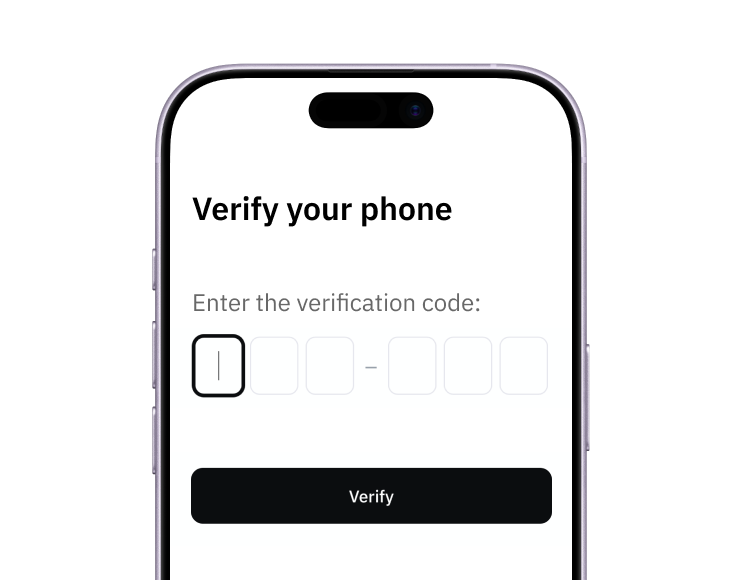
1. Sign-up with a phone
Sign up from your browser. No app download needed.
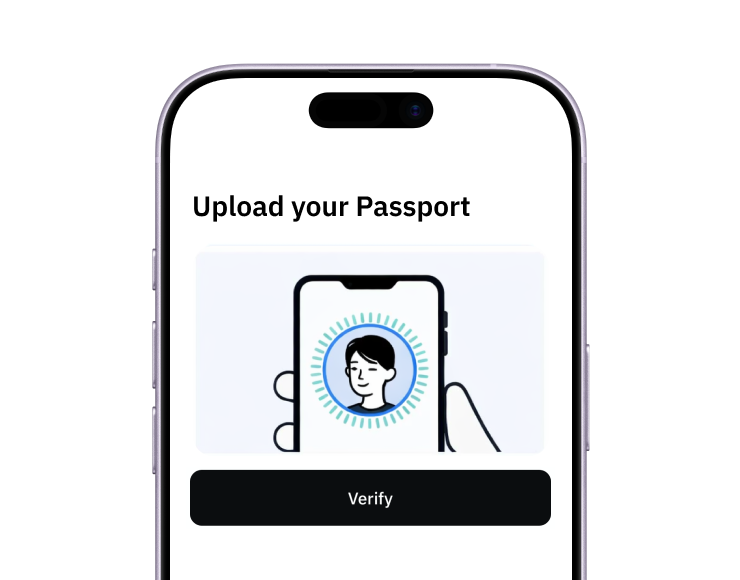
2. Quick identity check
Verify you're a real person in less than 3 minutes. No US residency required.
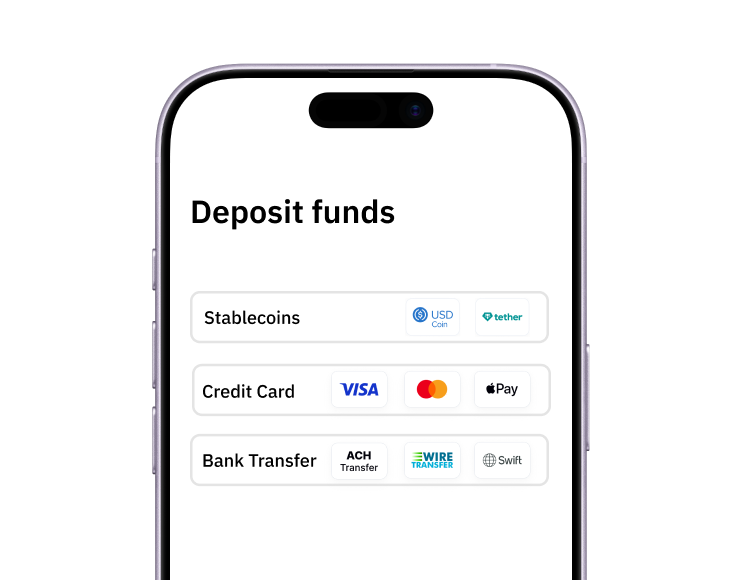
3. Add funds to your account
Use stablecoins, debit/credit card, or bank transfer (1%).
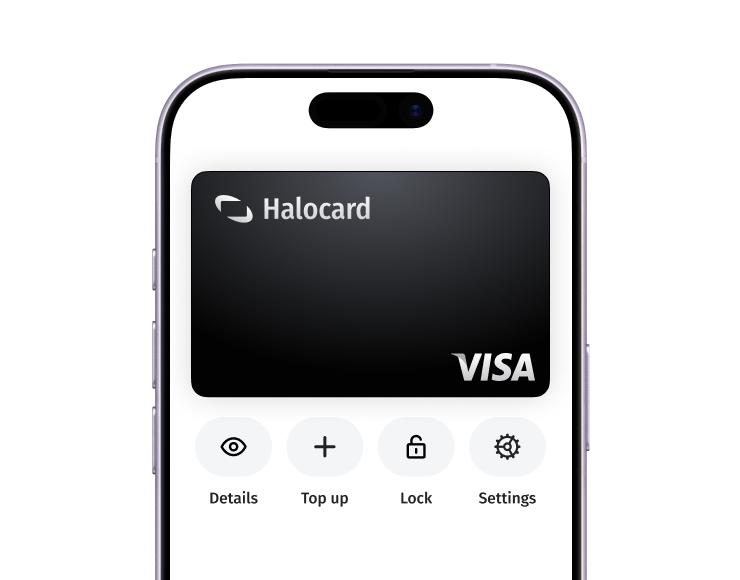
Your virtual card is ready.
That's it! Your virtual cards can now be used for online and in-person purchases anywhere in the world where Visa is accepted.